
Future of Innovation: Automation and Machine Tools
In the rapidly evolving landscape of manufacturing, the integration of automation with machine tools is paving the way for groundbreaking innovations. As industries strive to enhance efficiency, quality, and productivity, the synergy between automation technologies and traditional machine tools is becoming increasingly vital. This article explores the future of innovation in manufacturing, focusing on the pivotal role of automation and machine tools.
Section 1: The Evolution of Machine Tools
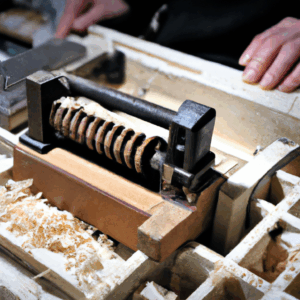
Machine tools have been the backbone of manufacturing since the industrial revolution. From simple lathes to sophisticated CNC machines, the evolution of machine tools has been remarkable. Initially, these tools were manually operated, requiring skilled labor to produce precision parts. However, with the advent of numerical control (NC) and later computer numerical control (CNC), the landscape of machine tools has transformed dramatically.
CNC technology has enabled machines to perform complex tasks with high precision and repeatability, reducing the reliance on human intervention. This technological advancement laid the groundwork for integrating automation, allowing for further enhancements in productivity and efficiency.
Section 2: The Rise of Automation in Manufacturing
Automation in manufacturing is not a new concept, but its capabilities have expanded significantly with advancements in technology. Initially, automation focused on repetitive tasks, freeing human operators for more complex functions. Today, automation encompasses a range of technologies, including robotics, artificial intelligence (AI), and the Internet of Things (IoT), each contributing to the creation of smart factories.
The rise of automation has led to increased production rates, enhanced product quality, and reduced operational costs. By minimizing human error and ensuring consistent output, manufacturers can achieve higher standards of quality control and meet the growing demands of global markets.
Section 3: Integration of Automation with Machine Tools
The integration of automation with machine tools is where the real innovation takes place. This fusion allows for the creation of highly efficient and flexible manufacturing systems. Automated machine tools can operate continuously with minimal supervision, adapting to changes in production requirements and significantly reducing downtime.
Advanced sensors and IoT devices enable real-time monitoring and data collection, providing insights into machine performance and maintenance needs. This data-driven approach facilitates predictive maintenance, reducing unexpected breakdowns and enhancing machine longevity. Furthermore, the integration of AI with machine tools enables intelligent decision-making, optimizing operations and improving overall efficiency.
Section 4: Benefits and Challenges of Automation in Machine Tools
The benefits of integrating automation with machine tools are numerous. Enhanced precision, increased productivity, and cost savings are just a few of the advantages. Automation also allows for greater customization and flexibility in production, enabling manufacturers to respond quickly to market changes and customer demands.
However, the transition to automated systems is not without challenges. The initial investment can be significant, and the need for skilled personnel to manage and maintain automated systems is crucial. Additionally, the integration process can be complex, requiring careful planning and execution to ensure seamless operation.
Section 5: Future Trends in Automation and Machine Tools
The future of automation and machine tools is poised for exciting developments. Emerging technologies such as additive manufacturing (3D printing), advanced robotics, and AI-driven analytics are set to revolutionize the manufacturing sector. These innovations will further enhance the capabilities of machine tools, making them more versatile and efficient.
As the industry moves towards Industry 4.0, the concept of smart factories will become more prevalent. These factories will leverage connectivity and data analytics to optimize every aspect of production, from supply chain management to quality control. The seamless integration of machine tools with digital technologies will facilitate mass customization and on-demand production, aligning with the evolving needs of consumers.
Conclusion
The future of manufacturing is intrinsically linked to the advancement of automation and machine tools. As these technologies continue to evolve, they will unlock new levels of efficiency, precision, and innovation in the manufacturing sector. Embracing these changes will be crucial for manufacturers looking to stay competitive in the global market.
By understanding the potential of automation and machine tools and investing in their integration, manufacturers can position themselves at the forefront of industrial innovation. The journey towards a fully automated and digitally integrated manufacturing environment is not just a possibility; it is an inevitable progression that promises to redefine the future of industry.