
Carbon Zero Fair: Shaping the Future
The global push towards sustainability has brought the manufacturing industry to a pivotal crossroads. As one of the largest contributors to carbon emissions, the sector faces increasing pressure to adopt greener practices. The Carbon Zero Fair stands as a beacon of innovation and collaboration, offering a platform for industry leaders, innovators, and policymakers to explore carbon-neutral solutions. This article delves into the essence of the Carbon Zero Fair, highlighting its impact on shaping the future of manufacturing.
Introduction to the Carbon Zero Fair
The Carbon Zero Fair is more than just a trade show; it’s a comprehensive initiative aimed at fostering sustainable practices within the manufacturing industry. Held annually, the fair attracts a global audience of industry professionals, each eager to uncover the latest advancements in carbon reduction technologies. The event serves as a convergence point for stakeholders committed to environmental stewardship, providing a space where ideas transform into actionable strategies.
At its core, the Carbon Zero Fair is about collaboration and innovation. By bringing together a diverse group of participants, the fair encourages the exchange of knowledge and best practices, paving the way for a more sustainable future. Through workshops, keynote speeches, and exhibitions, attendees gain insight into cutting-edge technologies and strategies that are setting new standards in carbon neutrality.
Section 1: The Urgency of Carbon Neutrality in Manufacturing
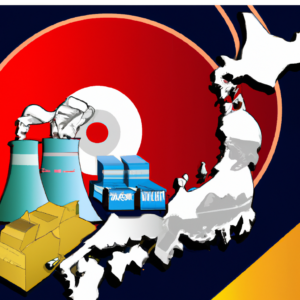
The manufacturing industry is at the forefront of the carbon neutrality movement due to its significant environmental footprint. According to the International Energy Agency, manufacturing accounts for approximately 24% of global CO2 emissions. This staggering figure underscores the urgent need for the industry to adopt more sustainable practices.
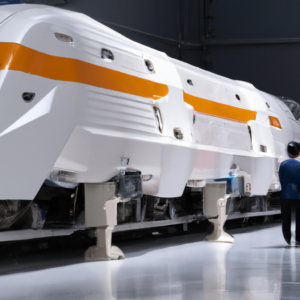
The Carbon Zero Fair addresses this urgency by showcasing innovative solutions that can significantly reduce carbon emissions. From energy-efficient machinery to sustainable raw materials, the fair highlights the tools and technologies that manufacturers can leverage to meet their carbon reduction goals. By adopting these solutions, companies not only contribute to a healthier planet but also gain a competitive edge in an increasingly eco-conscious market.
Section 2: Innovations in Carbon Reduction Technologies
One of the key highlights of the Carbon Zero Fair is the spotlight it places on groundbreaking carbon reduction technologies. The event features a wide array of innovations designed to help manufacturers minimize their carbon footprint. These include advanced energy management systems, carbon capture and storage (CCS) technologies, and renewable energy solutions.
Energy management systems, for instance, enable manufacturers to optimize energy consumption across their operations, leading to substantial reductions in CO2 emissions. Similarly, CCS technologies offer a viable solution for capturing and storing carbon emissions before they reach the atmosphere. By integrating these technologies, manufacturers can make significant strides towards achieving their carbon neutrality targets.
Moreover, the transition to renewable energy sources such as solar, wind, and biomass is a central theme at the fair. These sustainable energy solutions not only reduce reliance on fossil fuels but also offer long-term cost savings, making them an attractive option for manufacturers seeking to enhance their sustainability credentials.
Section 3: The Role of Digital Transformation in Achieving Carbon Neutrality
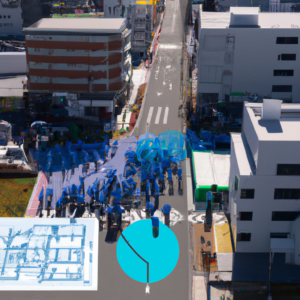
Digital transformation plays a crucial role in the journey towards carbon neutrality. At the Carbon Zero Fair, attendees are introduced to the latest digital tools and platforms that facilitate sustainable manufacturing practices. From predictive analytics to IoT-enabled energy management, digital technologies are revolutionizing the way manufacturers approach sustainability.
Predictive analytics, for example, allows manufacturers to anticipate and address inefficiencies in energy consumption, thereby reducing waste and emissions. IoT-enabled devices provide real-time data on energy usage, enabling manufacturers to make informed decisions about their operations. By harnessing the power of digital transformation, manufacturers can achieve greater efficiency and sustainability in their processes.
The integration of digital technologies also enhances transparency and accountability in the supply chain. By leveraging blockchain and other digital tools, manufacturers can track and verify the sustainability of their products, ensuring compliance with environmental regulations and meeting consumer demand for eco-friendly products.
Section 4: Collaborative Efforts for a Sustainable Future
Collaboration is a cornerstone of the Carbon Zero Fair. The event fosters partnerships between manufacturers, technology providers, policymakers, and researchers, all working towards a common goal: a sustainable future. By bringing together diverse stakeholders, the fair encourages the sharing of knowledge and resources, driving progress towards carbon neutrality.
One of the fair’s key initiatives is the formation of industry alliances and working groups focused on tackling specific sustainability challenges. These collaborative efforts enable participants to pool their expertise and resources, accelerating the development and implementation of innovative solutions.
Moreover, the fair provides a platform for policymakers and industry leaders to engage in dialogue about the regulatory frameworks needed to support carbon neutrality. By aligning on policy and regulatory initiatives, stakeholders can create an enabling environment for sustainable manufacturing practices to thrive.
Section 5: The Economic Benefits of Going Carbon Neutral
Achieving carbon neutrality is not just an environmental imperative; it also offers significant economic benefits. The Carbon Zero Fair highlights the financial incentives and opportunities associated with sustainable manufacturing practices. By reducing their carbon footprint, companies can realize cost savings through improved energy efficiency and reduced waste.
Furthermore, as consumer demand for sustainable products continues to grow, manufacturers that prioritize carbon neutrality can enhance their brand reputation and gain a competitive advantage. Sustainable practices also open up new market opportunities, particularly in regions and industries where environmental regulations are becoming increasingly stringent.
Investing in carbon reduction technologies and practices can also lead to increased innovation and resilience. By staying ahead of the curve, manufacturers can better navigate the challenges of a rapidly changing market landscape and position themselves for long-term success.
Conclusion: The Path Forward
The Carbon Zero Fair serves as a catalyst for change, driving the manufacturing industry towards a more sustainable future. By showcasing innovative technologies, fostering collaboration, and highlighting the economic benefits of carbon neutrality, the fair empowers manufacturers to take meaningful action in reducing their environmental impact.
As the world continues to grapple with the challenges of climate change, the manufacturing sector has a critical role to play in shaping a sustainable future. The Carbon Zero Fair is an essential step in this journey, providing the tools, knowledge, and inspiration needed to achieve carbon neutrality and create a better world for future generations.
By embracing the innovations and collaborations highlighted at the Carbon Zero Fair, the manufacturing industry can lead the charge towards a carbon-neutral future, setting a precedent for other sectors to follow. The time for action is now, and the Carbon Zero Fair is paving the way towards a sustainable tomorrow.