
Meta Manufacturing Revolution: The Future of Virtual Integration
The manufacturing industry is at the cusp of a transformative era, where the integration of virtual environments and advanced digital technologies are reshaping the very fabric of production and supply chains. This meta manufacturing revolution promises not only to enhance efficiency and productivity but also to redefine how manufacturers interact with data, machines, and each other. In this article, we will explore the potential of virtual integration, its current applications, and what the future holds for the manufacturing sector.
1. Understanding Meta Manufacturing
Meta manufacturing refers to the convergence of digital and physical realms in the production process. It involves the use of advanced technologies such as the Internet of Things (IoT), artificial intelligence (AI), and augmented reality (AR) to create a seamless and interconnected manufacturing environment. This fusion facilitates real-time data exchange and collaboration, enabling manufacturers to optimize processes, improve product quality, and reduce time to market.
At its core, meta manufacturing seeks to break down the traditional silos within manufacturing operations, fostering an ecosystem where machines, humans, and digital systems work in harmony. This shift is driven by the increasing demand for customization, faster production cycles, and the need to enhance sustainability across the industry.
2. The Role of Virtual Integration
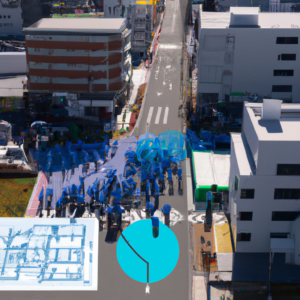
Virtual integration in meta manufacturing involves creating digital twins of physical assets and processes. These virtual models serve as accurate representations of the real-world counterparts, allowing manufacturers to simulate, analyze, and optimize operations without the risks and costs associated with physical trials.
Through virtual integration, manufacturers can leverage predictive analytics to foresee potential bottlenecks and proactively address them. This capability not only improves operational efficiency but also aids in maintaining high standards of quality and compliance. Furthermore, virtual integration enables collaborative design and testing, where stakeholders from different locations can work together in a virtual space, thus reducing the need for physical presence and travel.
3. Current Applications of Virtual Integration
The adoption of virtual integration is already underway across various sectors within manufacturing. Automotive companies are using digital twins to streamline their production lines, allowing for rapid prototyping and testing of new vehicle designs. In the aerospace industry, virtual integration facilitates complex simulations to ensure aircraft safety and performance before physical construction begins.
In electronics manufacturing, virtual integration is being used to design and test circuit boards in a virtual environment, reducing the time and cost associated with physical prototyping. Additionally, smart factories are leveraging IoT devices and AI to create adaptive systems that can self-optimize based on real-time data, ensuring minimal downtime and maximum productivity.
4. Challenges and Considerations
While the benefits of virtual integration in meta manufacturing are substantial, there are also challenges that need to be addressed. Data security and privacy are paramount, as the increased connectivity and data exchange present potential vulnerabilities. Manufacturers must invest in robust cybersecurity measures to protect sensitive information and maintain trust with stakeholders.
Another consideration is the need for a skilled workforce that can manage and operate these advanced systems. Upskilling and reskilling initiatives are crucial to ensure that employees are equipped with the necessary knowledge and expertise to thrive in a digitally integrated manufacturing environment.
Furthermore, the transition to virtual integration requires significant investment in technology infrastructure. This can be a barrier for small and medium enterprises (SMEs) that may lack the financial resources to fully embrace these innovations. However, partnerships and collaborations with technology providers can offer viable solutions to overcome these hurdles.
5. The Future of Virtual Integration in Manufacturing
The future of manufacturing is intrinsically linked to the advancement of virtual integration technologies. As these technologies continue to evolve, we can expect to see even greater levels of automation, efficiency, and customization within the industry. The rise of the industrial metaverse—a virtual universe where digital twins and simulations coexist—is set to revolutionize the way manufacturers design, produce, and deliver their products.
Moreover, the integration of blockchain technology could further enhance transparency and traceability across supply chains, ensuring accountability and integrity in manufacturing processes. This will be particularly valuable in industries that require stringent quality control and regulatory compliance.
As manufacturers continue to innovate and adapt, the potential for virtual integration to drive sustainable practices becomes increasingly apparent. By optimizing resource use and minimizing waste, the manufacturing sector can contribute to global efforts to combat climate change and promote environmental stewardship.
Conclusion
The meta manufacturing revolution is a pivotal moment for the industry, offering unprecedented opportunities for growth and innovation. Virtual integration stands at the forefront of this transformation, enabling manufacturers to create smarter, more efficient, and more sustainable production systems. While challenges remain, the potential rewards far outweigh the risks, making it imperative for manufacturers to embrace this new paradigm. By doing so, they will not only secure their competitive edge but also contribute to a future where technology and manufacturing coexist harmoniously for the betterment of society.