
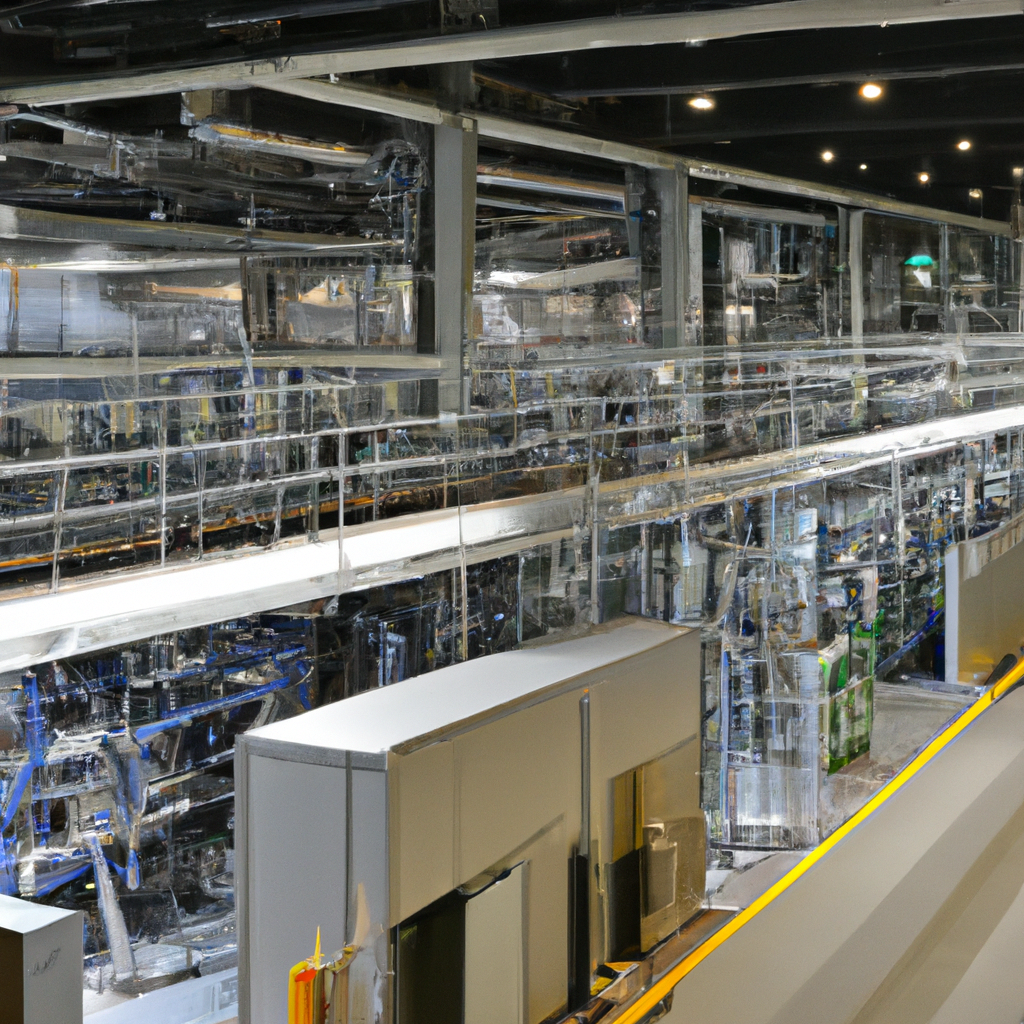
Path to the Future: Smart Factory Insights
The manufacturing industry is on the brink of a radical transformation, ushered in by the advent of smart factories. These technologically advanced facilities represent the future of manufacturing, where data and automation converge to enhance efficiency, productivity, and sustainability. In this article, we explore the key components of smart factories, their benefits, and how manufacturers can transition towards this innovative paradigm.
1. Understanding Smart Factories
At its core, a smart factory is an evolved manufacturing environment that leverages advanced technologies such as the Internet of Things (IoT), artificial intelligence (AI), machine learning, and big data analytics. These technologies work together to create a highly interconnected and adaptive production facility that can respond dynamically to changes in demand, production schedules, and supply chain variables.
Smart factories are characterized by their ability to autonomously optimize operations. This is achieved through real-time monitoring and data collection across various manufacturing processes. The integration of sensors and connected devices enables seamless communication between machines, systems, and humans, facilitating a more efficient and flexible manufacturing ecosystem.
2. Key Components of a Smart Factory
Several critical components define the structure and functionality of a smart factory:
2.1 Internet of Things (IoT)
The IoT forms the backbone of a smart factory. By embedding sensors in machinery and equipment, manufacturers can collect and analyze data in real time. This continuous flow of information allows for predictive maintenance, reducing downtime and extending the lifespan of equipment. IoT also enables remote monitoring and control of production processes, enhancing agility and responsiveness.
2.2 Artificial Intelligence (AI) and Machine Learning
AI and machine learning are crucial for processing the vast amounts of data generated within a smart factory. These technologies enable systems to learn from data patterns, predict outcomes, and make informed decisions without human intervention. For instance, AI-driven analytics can optimize supply chain logistics, quality control, and energy consumption, contributing to overall efficiency.
2.3 Big Data Analytics
Big data analytics allows manufacturers to harness the power of data for strategic decision-making. By analyzing historical and real-time data, manufacturers can identify trends, anticipate market shifts, and improve production planning. This data-driven approach leads to better resource allocation, reduced waste, and enhanced product quality.
2.4 Robotics and Automation
Automation is a hallmark of smart factories. The integration of robotics streamlines repetitive and labor-intensive tasks, allowing human workers to focus on more complex and value-added activities. Advanced robotics systems can collaborate with humans, ensuring safety and efficiency in operations. Automation also facilitates faster production cycles and enables mass customization.
3. The Benefits of Implementing Smart Factories
The transition to smart factories offers numerous advantages for manufacturers:
3.1 Enhanced Productivity
Smart factories increase productivity by minimizing downtime, improving equipment utilization, and optimizing production processes. Real-time data insights allow for quick adjustments, ensuring that operations run smoothly and efficiently.
3.2 Improved Quality Control
With real-time monitoring and automated quality checks, smart factories significantly reduce defects and variability in products. Advanced analytics can identify potential issues before they escalate, ensuring consistent product quality and customer satisfaction.
3.3 Cost Reduction
Automation and predictive maintenance lead to cost savings by reducing labor costs, minimizing waste, and extending the life of machinery. Additionally, energy-efficient practices and optimized resource management contribute to lower operational expenses.
3.4 Sustainability
Smart factories promote sustainable manufacturing practices by optimizing energy use and minimizing waste. Through data-driven insights, manufacturers can implement environmentally friendly practices, reduce carbon footprints, and comply with regulatory standards.
3.5 Agility and Flexibility
The ability to quickly adapt to changing market demands is a significant advantage of smart factories. With flexible production systems and real-time data analysis, manufacturers can efficiently switch between product lines and respond to customer needs with greater speed.
4. Challenges in Adopting Smart Factories
Despite the numerous benefits, transitioning to a smart factory is not without challenges:
4.1 High Initial Investment
The implementation of smart factory technologies requires substantial upfront investment in infrastructure, equipment, and training. Manufacturers must carefully assess the return on investment and long-term benefits before committing to such a transformation.
4.2 Data Security and Privacy
As smart factories rely heavily on data exchange, ensuring the security and privacy of sensitive information is paramount. Manufacturers must implement robust cybersecurity measures to protect against data breaches and cyber threats.
4.3 Integration with Legacy Systems
The integration of new technologies with existing legacy systems can be complex and challenging. Manufacturers need to ensure compatibility and interoperability between old and new systems to maximize the benefits of smart factory initiatives.
4.4 Skill Gaps
The shift towards smart factories requires a workforce equipped with specialized skills in data analytics, AI, and IoT. Manufacturers must invest in training and development programs to upskill employees and bridge the knowledge gap.
5. Steps to Transition Towards a Smart Factory
For manufacturers looking to embark on the journey to a smart factory, a phased approach can help ensure a smooth transition:
5.1 Assess Current Capabilities
Begin by evaluating existing processes, equipment, and technology infrastructure. Identify areas where smart technologies can enhance efficiency and pinpoint potential challenges in the transition.
5.2 Develop a Strategic Roadmap
Create a comprehensive roadmap outlining the goals, timelines, and resources required for the transition. Prioritize initiatives based on their potential impact and feasibility, and establish key performance indicators (KPIs) to measure progress.
5.3 Invest in Technology
Allocate resources for acquiring and implementing smart technologies. Consider partnerships with technology providers and consultants to ensure a seamless integration process.
5.4 Focus on Workforce Development
Invest in training programs to equip employees with the skills needed to operate and manage new technologies. Encourage a culture of continuous learning and innovation to foster adaptability.
5.5 Start Small and Scale
Begin with pilot projects to validate the effectiveness of smart technologies. Use the insights gained to refine strategies and scale successful initiatives across the entire manufacturing facility.
Conclusion
The path to the future of manufacturing is paved with the promise of smart factories. While the journey may present challenges, the benefits of enhanced efficiency, quality, and sustainability make it a worthwhile pursuit. By embracing the principles of connectivity, automation, and data-driven decision-making, manufacturers can position themselves at the forefront of industry innovation. As technology continues to evolve, smart factories will undoubtedly play a pivotal role in shaping a more agile, resilient, and sustainable manufacturing landscape.