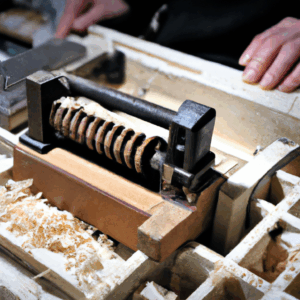

Automation Revolution in Next-Gen Machine Tools
The manufacturing industry is undergoing a transformation, driven by advancements in technology and automation. At the heart of this transformation is the evolution of machine tools, which are becoming increasingly sophisticated and automated. This revolution is not just about replacing human labor with machines but enhancing the precision, efficiency, and capabilities of manufacturing processes. This article explores the automation revolution in next-gen machine tools, its implications for manufacturing professionals, and its potential impact on the industry.
Section 1: The Evolution of Machine Tools
The history of machine tools dates back to the Industrial Revolution when the first lathes and milling machines were developed. These early machines were manually operated and required skilled labor to produce parts with precision. Over the years, technology has advanced significantly, leading to the development of computer numerical control (CNC) machines, which introduced a new era of precision and automation in manufacturing.
Today, machine tools have evolved beyond CNC to incorporate advanced technologies such as artificial intelligence (AI), machine learning, and the Internet of Things (IoT). These next-gen machine tools are capable of performing complex tasks with minimal human intervention, making them a cornerstone of the modern manufacturing industry.
Section 2: The Role of Automation in Modern Manufacturing
Automation in manufacturing refers to the use of technology to perform tasks that were previously done manually. This includes everything from assembly line processes to quality control. In the context of machine tools, automation involves the integration of various technologies to streamline operations, reduce errors, and increase productivity.
One of the key benefits of automation is its ability to enhance precision and consistency. Automated machine tools can operate continuously with minimal downtime, ensuring that products are manufactured to exact specifications. This not only improves the quality of the finished product but also reduces waste and lowers production costs.
Section 3: Key Technologies Driving the Automation Revolution
The automation revolution in machine tools is being driven by several key technologies:
- Artificial Intelligence and Machine Learning: These technologies enable machine tools to learn from data and adapt to changing conditions, improving their precision and efficiency over time.
- Internet of Things (IoT): IoT connects machine tools to a network, allowing for real-time monitoring and data collection. This connectivity enables predictive maintenance and reduces downtime.
- Robotics: Advanced robotics are being integrated into machine tools to perform complex tasks that require a high degree of precision and dexterity.
- Advanced Sensors and Actuators: These components provide machine tools with the ability to detect and respond to changes in their environment, further enhancing their automation capabilities.
Section 4: Benefits of Next-Gen Machine Tools for Manufacturers
Next-gen machine tools offer a range of benefits for manufacturers, including:
- Increased Efficiency: Automated machine tools can operate around the clock without fatigue, significantly increasing production rates and reducing lead times.
- Enhanced Precision: With advanced control systems and sensors, these tools achieve higher levels of accuracy, reducing the need for manual intervention and rework.
- Cost Savings: By reducing waste and optimizing resource use, manufacturers can lower operational costs and improve their bottom line.
- Flexibility and Scalability: Automated systems can be easily reprogrammed and scaled to accommodate changes in production demand, allowing manufacturers to respond quickly to market changes.
Section 5: Challenges and Considerations in Implementing Automation
While the benefits of automation are clear, implementing these technologies comes with its own set of challenges. Manufacturers must consider factors such as the initial cost of investment, the need for skilled personnel to manage and maintain automated systems, and the potential impact on the workforce.
Moreover, cybersecurity is a growing concern as machine tools become more connected. Protecting sensitive data and ensuring the integrity of manufacturing processes is critical to maintaining operational security. Manufacturers must implement robust security measures to safeguard against cyber threats.
Conclusion: The Future of Manufacturing with Automated Machine Tools
The automation revolution in next-gen machine tools represents a significant shift in the manufacturing landscape. As these technologies continue to evolve, they will unlock new possibilities for manufacturers, enabling them to produce higher-quality products more efficiently and sustainably than ever before.
For manufacturing professionals, staying ahead of these trends is essential. By understanding the technologies driving this revolution and preparing for its implications, they can position themselves and their organizations for success in the rapidly changing world of manufacturing.
The future of manufacturing is bright, and with the continued advancement of automated machine tools, the industry is poised for unprecedented growth and innovation.