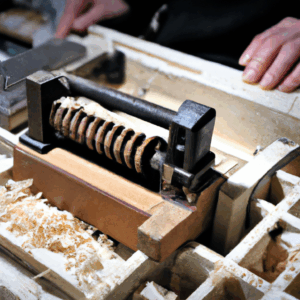
Advanced Technology and Future Machine Tools Expo
In a rapidly evolving industrial landscape, staying abreast of the latest advancements in machine tools and manufacturing technologies is paramount for companies aiming to maintain a competitive edge. The Advanced Technology and Future Machine Tools Expo serves as a premier platform for industry professionals to explore cutting-edge innovations, engage with thought leaders, and envision the future of manufacturing. This article delves into the key highlights and themes of the expo, offering insights into the transformative technologies shaping the future of machine tools.
Section 1: The Rise of Smart Manufacturing
Smart manufacturing, characterized by the integration of cyber-physical systems, the Internet of Things (IoT), and big data analytics, is revolutionizing the manufacturing sector. At the expo, attendees witnessed firsthand the impact of smart technologies on productivity, efficiency, and flexibility. Exhibitors showcased solutions that enable real-time monitoring, predictive maintenance, and adaptive manufacturing processes. These innovations empower manufacturers to reduce downtime, optimize resource utilization, and enhance product quality.
One of the standout demonstrations was a smart factory simulation that illustrated how interconnected systems can autonomously adjust operations based on real-time data. By leveraging machine learning algorithms, these systems can predict equipment failures before they occur, drastically reducing unplanned downtime and maintenance costs.
Section 2: Additive Manufacturing Breakthroughs
Additive manufacturing, commonly known as 3D printing, continues to make significant strides in material science and production capabilities. The expo highlighted groundbreaking advancements in this field, showcasing machines capable of producing complex geometries with unprecedented precision and speed. New materials, ranging from advanced polymers to metal alloys, are expanding the horizons of what can be manufactured additively.
Experts at the expo discussed how additive manufacturing is transitioning from a prototyping tool to a viable option for end-use parts in various industries, including aerospace, automotive, and healthcare. The ability to produce lightweight components with optimized designs is particularly beneficial for sectors that demand high-performance and fuel efficiency.
Section 3: Automation and Robotics Integration
Robotics and automation continue to be at the forefront of manufacturing innovation. The expo featured state-of-the-art robotic systems designed to enhance precision, speed, and safety in manufacturing operations. Collaborative robots, or cobots, drew significant attention for their ability to work alongside humans without the need for extensive safety barriers.
Attendees had the opportunity to engage with demonstrations of flexible robotic systems that adapt to different tasks and environments. These systems are increasingly utilized in assembly lines, where they can handle repetitive tasks with high accuracy, allowing human workers to focus on more complex and value-added activities.
Section 4: Sustainable Manufacturing Practices
Sustainability is becoming an integral part of manufacturing strategies, driven by regulatory requirements and consumer demand for environmentally responsible products. The expo showcased innovative approaches to sustainable manufacturing, including energy-efficient machines, waste reduction techniques, and the use of eco-friendly materials.
Speakers emphasized the importance of adopting a circular economy mindset, where products are designed for durability, repairability, and recyclability. Exhibitors also highlighted advancements in sustainable energy solutions, such as solar-powered manufacturing facilities and energy-efficient HVAC systems, which can significantly reduce the carbon footprint of manufacturing operations.
Section 5: The Future of Machine Tool Design
The design of machine tools is evolving to meet the demands of increasingly complex manufacturing environments. The expo featured the latest advancements in machine tool design, including modular systems that allow for easy customization and scalability. These designs enable manufacturers to quickly adapt to changing production requirements and market demands.
Innovations in control systems and software are also playing a crucial role in advancing machine tool design. Attendees were introduced to intuitive interfaces and advanced control algorithms that simplify machine operation and enhance precision. These developments are paving the way for a new generation of machine tools that are smarter, more versatile, and easier to integrate into digital manufacturing ecosystems.
Conclusion
The Advanced Technology and Future Machine Tools Expo offered a comprehensive look into the future of manufacturing, highlighting the technologies and trends that are set to reshape the industry. From smart manufacturing and additive manufacturing breakthroughs to automation, sustainability, and advanced machine tool design, the expo provided invaluable insights for professionals seeking to harness these innovations. As the manufacturing landscape continues to evolve, staying informed and adaptable will be key to capitalizing on the opportunities presented by these advanced technologies.
Manufacturing professionals who embrace these advancements will not only enhance their operational capabilities but also position themselves as leaders in the drive toward a more efficient, sustainable, and technologically advanced future.