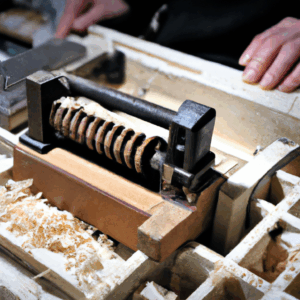
Automation in Machine Tools: Shaping the Future
The manufacturing world is on the brink of a new era, one where automation in machine tools is no longer a futuristic concept but a present-day reality. As industries strive for increased efficiency, precision, and productivity, the integration of automation into machine tools is shaping the future of manufacturing. This article delves into the transformative potential of automation in machine tools, examining its impact and future prospects for manufacturing professionals.
Introduction to Automation in Machine Tools
In recent years, the manufacturing sector has witnessed a significant shift towards automation. The advent of advanced technologies such as robotics, artificial intelligence (AI), and the Internet of Things (IoT) has revolutionized the way machine tools operate. Automation in machine tools not only enhances production capabilities but also ensures precision, reduces human error, and optimizes resource utilization.
For manufacturing professionals, embracing automation is not just an option but a necessity to remain competitive in an ever-evolving market. As we explore the various facets of automation in machine tools, it becomes evident how this integration is paving the way for the future of manufacturing.
Section 1: The Evolution of Machine Tools
The journey of machine tools from manual operations to automated systems is a testament to human ingenuity and technological advancement. Initially, machine tools were operated manually, requiring skilled labor to perform tasks. The introduction of numerical control (NC) in the mid-20th century marked a significant turning point, allowing for more precise and consistent machining processes.
With the development of computer numerical control (CNC), machine tools became even more sophisticated, offering higher levels of accuracy and flexibility. Today, automation has taken CNC machines to new heights, enabling them to perform complex tasks with minimal human intervention. The evolution of machine tools highlights the ongoing trend towards automation, setting the stage for a future where intelligent, self-operating machines dominate the manufacturing landscape.
Section 2: Benefits of Automation in Machine Tools
Automation in machine tools offers a myriad of benefits that are crucial for modern manufacturing. Firstly, it significantly increases production efficiency. Automated systems can operate continuously without fatigue, resulting in higher output and faster turnaround times. This is particularly advantageous for industries requiring high-volume production with tight deadlines.
Moreover, automation enhances precision and consistency. Machine tools equipped with advanced sensors and AI algorithms can perform tasks with remarkable accuracy, reducing the risk of errors and ensuring uniformity in production. This level of precision is essential for sectors such as aerospace and automotive, where even the slightest deviation can have significant consequences.
Additionally, automation optimizes resource utilization. By minimizing waste and maximizing the use of materials, automated machine tools contribute to cost-effectiveness and sustainability. Furthermore, with real-time monitoring and predictive maintenance capabilities, these tools can foresee maintenance needs, reducing downtime and prolonging machine life.
Section 3: Challenges in Implementing Automation
Despite the numerous advantages, the implementation of automation in machine tools is not without challenges. One of the primary hurdles is the high initial investment required for acquiring and integrating automated systems. For small and medium-sized enterprises (SMEs), this can be a significant barrier, limiting their ability to adopt these technologies.
Another challenge is the need for skilled personnel to manage and maintain automated systems. As machine tools become more sophisticated, the demand for workers with expertise in robotics, AI, and data analysis increases. Addressing this skills gap is crucial for the successful adoption of automation in manufacturing.
Moreover, cybersecurity concerns pose a significant threat to automated systems. With increased connectivity comes the risk of cyberattacks, which can disrupt production and compromise sensitive data. Manufacturers must invest in robust cybersecurity measures to protect their automated systems from potential threats.
Section 4: Industry Applications and Case Studies
Automation in machine tools is making a profound impact across various industries. In the automotive sector, for instance, automated machine tools are used for precision machining of engine components, significantly reducing production time while enhancing quality. Similarly, in the aerospace industry, automation allows for the efficient production of complex parts, meeting the stringent demands for precision and reliability.
A notable case study is the adoption of automation by a leading aerospace manufacturer. By integrating automated CNC machines with IoT-enabled monitoring systems, the company achieved a 30% increase in production efficiency and a 25% reduction in operational costs. This transformation not only improved their competitive edge but also set a benchmark for others in the industry.
The medical device industry is another area where automation is making strides. Automated machine tools are used to produce intricate surgical instruments and implants with high precision, ensuring the highest standards of quality and safety.
Section 5: The Future of Automation in Machine Tools
As technology continues to evolve, the future of automation in machine tools looks promising. Emerging technologies such as machine learning and artificial intelligence are expected to further enhance the capabilities of automated systems. Machines will become more intelligent, capable of self-learning and adapting to new tasks without human intervention.
Furthermore, the integration of digital twins—a virtual replica of physical assets—will revolutionize the way manufacturers design and optimize their processes. By simulating various scenarios, manufacturers can predict outcomes and make informed decisions, reducing risks and improving efficiency.
Another trend is the increasing adoption of collaborative robots, or cobots, that work alongside humans on the production floor. These robots are designed to assist human workers, combining the strengths of automation with the flexibility of human intelligence.
Conclusion
Automation in machine tools is undeniably shaping the future of manufacturing. As industries continue to embrace these technologies, the benefits of increased efficiency, precision, and sustainability become more apparent. However, addressing the challenges of cost, skills, and security is crucial for unlocking the full potential of automation.
For manufacturing professionals, staying abreast of the latest developments in automation is essential. By leveraging these advancements, they can not only enhance their operations but also position themselves as leaders in a rapidly evolving industry. As we look to the future, the integration of automation in machine tools promises to open new horizons, driving innovation and progress in the manufacturing sector.