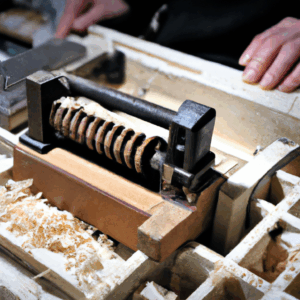
Innovations and Future of Next-Gen Machine Tools
The manufacturing landscape is evolving at a rapid pace, driven by technological advancements and a growing demand for precision and efficiency. Central to this transformation is the development of next-generation machine tools. These tools are reshaping how products are designed, manufactured, and brought to market. In this article, we will explore the innovations powering these tools, examine the trends influencing their evolution, and consider what the future holds for the manufacturing industry.
Section 1: The Evolution of Machine Tools
Machine tools have been the backbone of manufacturing since the Industrial Revolution. The journey from simple manual lathes to complex computer numerical control (CNC) machines marks a significant evolution. Initially, machine tools were designed to perform specific tasks with limited flexibility. However, the integration of digital technology has transformed them into versatile, multifunctional systems capable of executing intricate tasks with high precision.
Today’s machine tools are characterized by enhanced automation, precision, and connectivity. The integration of artificial intelligence (AI) and the Internet of Things (IoT) has paved the way for smart manufacturing. These advancements have not only improved production efficiency but also reduced human error and enhanced the ability to monitor and optimize manufacturing processes in real-time.
Section 2: Innovations Transforming Machine Tools
Several innovations are at the forefront of transforming next-gen machine tools. Among these are:
- AI and Machine Learning: AI algorithms can analyze vast amounts of data to predict maintenance needs, optimize operations, and improve quality control. Machine learning models also enable tools to adapt to new tasks and enhance their performance over time.
- Advanced Materials: The development of new alloys and composites has enabled the creation of machine tools that are more durable, heat-resistant, and lightweight. These materials improve tool life and efficiency.
- Additive Manufacturing: Also known as 3D printing, additive manufacturing allows for the production of complex geometries that are difficult to achieve with traditional machining. This innovation is particularly beneficial for prototyping and small batch production.
- Robotics: Robotics integration in machine tools has increased automation and precision. Collaborative robots, or cobots, work alongside human operators, enhancing productivity without compromising safety.
- IoT and Connectivity: IoT-enabled machine tools can communicate with other systems and provide real-time data about their status, leading to improved decision-making and predictive maintenance strategies.
Section 3: Trends Shaping the Future of Machine Tools
The future of machine tools is being shaped by several key trends:
- Sustainability: As industries strive to reduce their carbon footprint, there is a growing emphasis on developing machine tools that are energy-efficient and produce minimal waste. Manufacturers are increasingly adopting sustainable practices in their operations.
- Customization and Flexibility: The demand for customized products is rising, necessitating machine tools that can quickly adapt to new designs and specifications. This trend is driving the development of flexible manufacturing systems.
- Global Supply Chain Integration: With globalization, machine tools need to integrate seamlessly into global supply chains. This requires enhanced interoperability and standardization to ensure compatibility across different platforms and regions.
- Smart Factories: The concept of smart factories, where machines communicate and cooperate autonomously, is gaining traction. Machine tools are a critical component of this ecosystem, contributing to optimized manufacturing processes and resource management.
Section 4: Challenges and Opportunities
Despite the promising advancements, the adoption of next-gen machine tools presents several challenges:
- High Initial Costs: The investment required for advanced machine tools and the accompanying infrastructure can be significant, posing a barrier for small to medium-sized enterprises (SMEs).
- Skilled Workforce Shortage: The complexity of modern machine tools demands a highly skilled workforce. However, there is a global shortage of technicians and engineers with the necessary expertise.
- Cybersecurity Risks: With increased connectivity comes the risk of cyberattacks. Ensuring the security of machine tools and the data they generate is a critical concern for manufacturers.
On the flip side, these challenges also present opportunities for innovation and growth:
- Training and Education: Investing in training programs and partnerships with educational institutions can help bridge the skills gap and prepare the workforce for the demands of modern manufacturing.
- Innovative Business Models: Subscription-based models or equipment leasing can make advanced machine tools more accessible to SMEs, allowing them to compete on a larger scale.
- Enhanced Security Solutions: The development of advanced cybersecurity measures can protect manufacturing operations and build trust among stakeholders.
Section 5: Case Studies and Real-World Applications
Numerous companies are already reaping the benefits of next-gen machine tools. For instance:
- Automotive Industry: Leading automotive manufacturers are using AI-driven machining processes to enhance the precision and speed of component production. This has resulted in reduced production costs and improved vehicle performance.
- Aerospace Sector: In aerospace, additive manufacturing is being used to produce lightweight components that meet stringent safety standards. This not only reduces material waste but also allows for greater design flexibility.
- Medical Device Manufacturing: The medical industry is leveraging advanced machine tools to produce intricate medical devices with high precision. This has enabled the development of personalized medical solutions that improve patient outcomes.
Conclusion
The innovations and future prospects of next-gen machine tools are both exciting and transformative. As these tools continue to evolve, they will play a pivotal role in shaping the future of manufacturing. By embracing these advancements, companies can enhance their competitiveness, meet the demands of a dynamic market, and contribute to a more sustainable and efficient industrial landscape. While challenges remain, the opportunities for growth and innovation are immense, paving the way for a new era of manufacturing excellence.