Innovations in Machine Tools for Future Creation
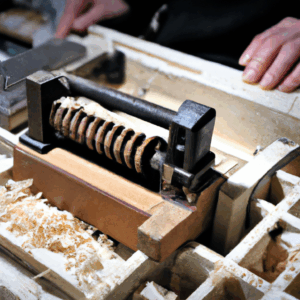
In the rapidly evolving landscape of manufacturing, machine tools stand at the forefront of technological advancement. As industries continue to demand higher efficiency, precision, and versatility, innovations in machine tools play a pivotal role in shaping the future of production. This article explores the latest innovations in machine tools, highlighting their impact and potential for future creation.
1. The Evolution of Machine Tools
Machine tools have come a long way since their inception. From the early days of simple mechanical devices to the sophisticated CNC machines of today, the evolution of machine tools has been driven by the need for increased productivity and precision. The introduction of computer numerical control (CNC) in the late 20th century marked a significant leap forward, allowing for greater automation and precision in manufacturing processes.
Today, machine tools are increasingly integrated with advanced technologies such as artificial intelligence (AI), the Internet of Things (IoT), and machine learning. These technologies are not only enhancing the capabilities of machine tools but also transforming the entire manufacturing ecosystem.
2. The Role of Automation and Robotics
Automation and robotics are at the heart of modern manufacturing innovations. By integrating robots with machine tools, manufacturers can achieve unprecedented levels of efficiency and precision. Robots are capable of performing repetitive tasks with high accuracy, freeing up human operators for more complex and creative tasks.
Collaborative robots, or cobots, are particularly noteworthy. Unlike traditional industrial robots that operate in isolation, cobots are designed to work alongside human operators safely. This collaboration enables manufacturers to optimize their workflows, reduce downtime, and increase productivity. Additionally, the use of machine vision and sensor technology enhances the capabilities of robots, allowing them to adapt to various tasks and environments.
3. Additive Manufacturing and 3D Printing
Additive manufacturing, commonly known as 3D printing, represents a revolutionary shift in the production paradigm. Unlike traditional subtractive manufacturing methods, which involve removing material to create parts, additive manufacturing builds parts layer by layer from digital models. This technology offers numerous advantages, including reduced material waste, shorter lead times, and the ability to produce complex geometries that were previously impossible.
In the realm of machine tools, additive manufacturing is being integrated to create hybrid machines that combine both additive and subtractive processes. These hybrid machines provide manufacturers with the flexibility to switch between different production methods seamlessly, optimizing both cost and efficiency.
4. Smart Machine Tools and IoT Integration
The integration of IoT technology into machine tools is another major innovation driving the future of manufacturing. Smart machine tools equipped with IoT sensors can collect and analyze data in real-time, providing valuable insights into machine performance, maintenance needs, and production efficiency.
This data-driven approach enables predictive maintenance, reducing downtime and extending the lifespan of machinery. Furthermore, IoT-connected machine tools can communicate with other devices and systems within the manufacturing environment, facilitating seamless integration and coordination across production lines.
The implementation of digital twins is another exciting development. By creating virtual models of physical machines, manufacturers can simulate and optimize production processes, identify potential issues before they occur, and make informed decisions based on real-time data.
5. Sustainability and Energy Efficiency
As the manufacturing industry faces increasing pressure to reduce its environmental impact, innovations in machine tools are focusing on sustainability and energy efficiency. Modern machine tools are designed with energy-saving features, such as advanced motor controls, regenerative braking systems, and optimized idle modes, which significantly reduce energy consumption.
Furthermore, the adoption of eco-friendly materials and processes is gaining momentum. Manufacturers are exploring ways to minimize waste and incorporate renewable resources into their production lines. The use of sustainable materials not only reduces the environmental footprint but also aligns with the growing consumer demand for eco-conscious products.
Energy-efficient machine tools not only contribute to sustainability but also offer economic benefits by reducing operational costs. As energy prices continue to rise, investing in energy-efficient technologies becomes a strategic advantage for manufacturers seeking to remain competitive in the global market.
Conclusion
Innovations in machine tools are redefining the manufacturing landscape, enabling industries to meet the demands of the future with greater efficiency, precision, and sustainability. From automation and robotics to additive manufacturing and IoT integration, these advancements are paving the way for a new era of production.
As manufacturers continue to embrace these innovations, the possibilities for future creation are limitless. By staying at the forefront of technological advancements, businesses can not only enhance their competitiveness but also contribute to a more sustainable and efficient manufacturing ecosystem.
In conclusion, the future of manufacturing lies in the continuous evolution of machine tools. Embracing these innovations will be crucial for industries looking to thrive in an increasingly dynamic and challenging global market.